Charlie Woods Picks Florida State — Florida Junior Golf Just Got Bigger
February 14, 2026 4 min read
Charlie Woods commits to Florida State University, signaling a powerful moment for Junior Golf In Florida. Learn what it takes to play Division I golf, understand NIL opportunities, and discover how Florida families can build a D1 pathway.
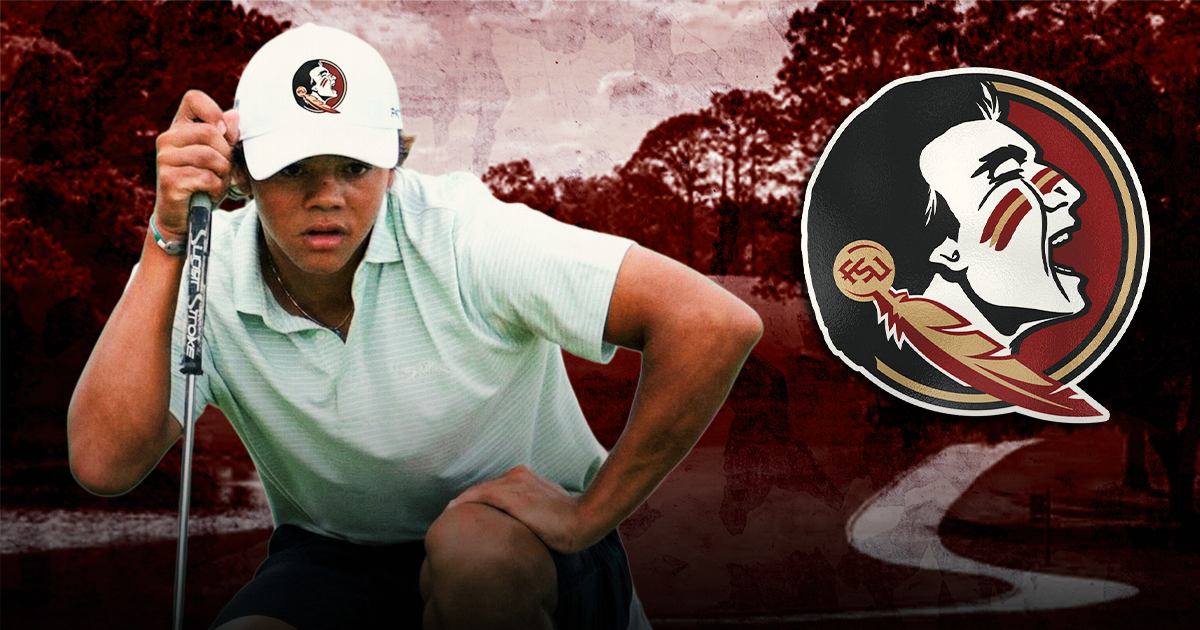
When Charlie Woods committed to Florida State University, it immediately made national golf news. That was expected. Any decision involving Tiger Woods’ son is going to draw attention.
But inside the world of Junior Golf In Florida, the headline feels more personal than dramatic.
For families who spend weekends at multi-day tournaments, who budget carefully for travel and lessons, and who watch their kids grind through rounds in tough conditions, this commitment represents something steady rather than flashy. It reinforces that the pathway many Florida families are already walking is legitimate.
Charlie choosing Florida State signals confidence in what exists here.
Florida Has Earned Its Place in the Conversation
Texas and California have long been considered junior golf powerhouses. That’s deserved. But Florida is firmly in that same tier.
Florida offers year-round playing conditions, a dense tournament schedule, strong competition, and access to experienced instruction. Juniors compete almost every month of the year against deep fields. Scores are low. Rankings matter. Exposure opportunities are real.
Families competing on the Florida Junior Tour, in AJGA qualifiers, or in national invitationals understand that the level of play is high.
Charlie Woods staying in Florida — and players like Miles Russell continuing to develop here — highlights a competitive structure that has already been producing college-ready players.
Playing Division I golf, especially at a program like Florida State, requires long-term consistency.
It typically includes:
Scoring in the low 70s over multi-day events
Strong finishes in recognized fields
A competitive Junior Golf Scoreboard presence
Solid academics, often a GPA around 3.5 or higher
Physical preparation and durability
Emotional consistency over multiple tournament seasons
Recruiting is about patterns, not single rounds. Coaches track scoring averages, strength of schedule, performance under pressure, and overall development. They are evaluating whether a player can contribute to a lineup over time.
I knew what I wanted to achieve, and I was willing to work hard to get there.
For parents who have followed the college golf recruiting process, the timeline is rarely rushed. It unfolds over years of steady improvement.
The Junior Golf In Florida college golf series walks through recruiting timelines, expectations, and how families can realistically prepare for the next level.
NIL Is Part of the Modern College Landscape
College athletics has changed in recent years because of NIL — Name, Image, and Likeness.
NIL allows college athletes to earn compensation from sponsorships, endorsements, and partnerships while still competing. In golf, that can include equipment agreements, apparel partnerships, local sponsorships, or media opportunities.
Programs that receive national visibility naturally create more exposure. That visibility can open doors, but it does not replace performance. A player still earns a roster spot through scoring and consistency.
There are entry fees, travel expenses, coaching costs, practice time, and schedule adjustments. Parents understand that improvement is rarely linear. Some seasons show big progress. Others feel like maintenance.
Charlie Woods committing to Florida State increases visibility around Florida golf. That visibility will likely continue as he competes at the collegiate level.
But for Florida parents sitting beside fairways and greens, the more important takeaway is steady.
The competitive environment here is strong. The tournaments matter. The coaching matters. The repetition matters.
– Junior Golf in Florida
Division I golf is selective, demanding, and built over time. For families willing to stay patient and focused, Florida provides a legitimate platform to pursue that goal.
Not easily.
Not automatically.
But realistically.
And sometimes, that’s enough.
🎓 Junior Golf In Florida – College Golf Series: More Resources