How to Prepare for a Junior Golf Tournament
November 29, 2025 5 min read
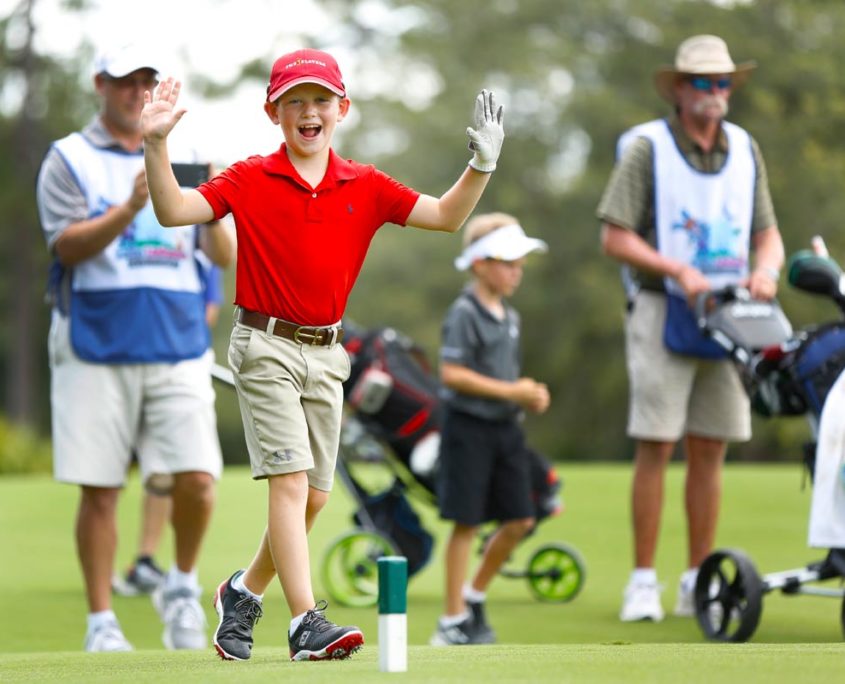
Preparing for a junior golf tournament takes planning, routine, and mental focus. This guide breaks down how junior golfers in Florida can get tournament-ready step-by-step and highlights top tours like ECJGT, U.S. Kids, HJGT, AJGA, FSGA/FJT, and Claret. Includes reminders to register 2–3 months early and links to our monthly Florida tournament guides.
Junior golf tournaments are one of the best ways for young golfers to build confidence, sharpen skills, and experience real competition. Whether your child is preparing for their first event or aiming to win their next championship, the right preparation can make all the difference. In Florida—one of the strongest junior golf states in the country—tournaments run year-round. That means families have endless opportunities to play, grow, and compete.
This guide breaks down everything you need to know to prepare for a junior golf tournament in Florida, from pre-round practice routines to mental preparation, tournament-day checklists, hydration, and the best junior tours to get started with.
Parents will find that most junior golf tournaments are exceptionally well-organized. Events typically provide water for players (not always: USKids Golf does not provide water, FSGA/ FJT tournaments do) , enforce strict rules, maintain a controlled pace of play, and limit parental involvement to ensure fairness. Rules officials are present throughout the course—monitoring play, answering questions, and ensuring the tournament runs smoothly, especially at highly structured events like those hosted by the FSGA and AJGA.
1. Start Preparing Weeks Before the Tournament
Tournament success begins long before the first tee shot. Junior golfers should spend at least 2–3 weeks preparing both physically and mentally.
Key areas to focus on:
- Course Research: Look up the course layout, yardages, green speeds, hazards, and weather patterns. For certain tournaments try to do a practice round the night before. Getting to know the course eases stress and gives you more knowledge about course layout, slopes, greens, and conditions.
- Consistent Practice Schedule: Players should work on full swings, putting, and short game in balanced sessions.
- Tournament Pace: Practice with strict rules, no mulligans, and ready-golf habits to simulate real competition.
If the course is local, walk a few holes or play a practice round. Understanding landing zones and green slopes ahead of time can save strokes during tournament play.
Consistency is powerful for junior golfers. A predictable warm-up routine helps reduce nerves and creates focus.
An ideal warm-up includes:
- Stretching (5–7 minutes)
- Short iron shots (10 minutes)
- Mid-to-long irons (5 minutes)
- Driver (5 minutes)
- Chipping & bunker shots (10 minutes)
- Putting (10–15 minutes)
The goal is not to fix the swing—it’s to feel loose, confident, and ready.
3. Prepare Mentally: Reduce the Guessing
Tournament nerves often come from uncertainty. Juniors perform better when they feel prepared.
Mental strategies include:
- Visualizing the shot before hitting
- Focusing on your own game
- Having a clear plan for each hole
- Using positive self-talk (“Commit,” “Fairways & greens,” “You’ve done this before”)
If your child struggles with nerves, simulate tournament pressure at home with timed putting drills or match-play challenges. Plan a lesson for the areas your junior is struggling with with a golf coach. Some coaches specialize in certain areas of the golf game. Example: Stan Moore, PGA (Putting)
4. Tournament Day Checklist
Golf Essentials
- Clubs
- Tees, markers, divot tools
- Golf Hat with a magnetic tool to hold the marker
- Minimum 6 balls (more if needed :))
- Gloves
- Golf Shoes
- Rangefinder (if permitted)
- Push Cart
- Divot Filler (FSGA requires that kids fill their divots if needed)
- Umbrella (and don’t forget the umbrella holder)\
- Towels
- Cell phone (AJGA rules requires players input scores after each hole)
Weather & Comfort
- Sunscreen
- Hat or visor
- Rain gear
- Umbrella
- Extra pair of shoes and socks (Rainy Season in Florida- September, October)
- Extra clothes such thermal wear ( Cold Season in Florida – November, December, January ). Usually cold weather changes to cool or warm by mid day, so have layers ready
Food & Hydration
- 1–2 water bottles
- Electrolytes
- Snacks (nuts, fruit, granola bars)
Documents
- Scorecard/pencil
- Yardage book
- Registration confirmation
5. Nutrition & Hydration During Play
Hydration starts the night before the tournament. Florida’s heat can drain energy fast, especially during long rounds. Junior golfers should stay ahead of dehydration, especially in Florida’s extreme heat. Encourage your player to sip water every 1–2 holes, rather than waiting until they feel thirsty. Small, steady snacks such as nuts, fruit, or granola bars help maintain energy levels throughout the round—avoid eating everything at once. Skip sugary drinks, and be sure to replenish fluids immediately after the round.
While some junior tours reliably provide water on the course—such as AJGA and FSGA—others do not, including certain U.S. Kids Golf events. In the summer months, this becomes a serious concern. Dehydration is not uncommon; in fact, it occurred at a recent Under Armour junior golf event. Although many golf courses offer water stations, they cannot always be counted on. Parents should always plan to bring extra water, electrolytes, and snacks to ensure their junior golfer stays safe, energized, and focused.
Proper nutrition boosts focus and endurance—especially on the back nine.
6. After the Round: Review & Improve
Reflecting on each tournament helps junior golfers grow.
Questions to ask:
- Which holes caused the most trouble?
- Was my strategy good?
- Were nerves a factor?
- What should I practice this week?
Celebrate effort—not just scores.
7. Junior Golf Tournaments in Florida
Explore top junior golf organizations available inside the Junior Golf in Florida Tournament Directory:
Emerald Coast Junior Golf Tour (ECJGT)
High-quality North Florida tournaments with great organization and competitive fields.
🔗 https://juniorgolfinflorida.com/golf-organization/emerald-coast-junior-golf-tour/
U.S. Kids Golf – Space Coast Local Tour
Ideal for younger golfers. Very well organized. Shorter yardages and beginner-friendly competition. Caddies Allowed.
🔗 https://juniorgolfinflorida.com/golf-organization/uskids-golf-local-tour-space-coast/
U.S. Kids Golf – Palm Coast Local Tour
Ideal for younger golfers. Even Shorter yardages and beginner-friendly competition. Caddies Allowed.
🔗 https://juniorgolfinflorida.com/golf-organization/uskids-golf-local-tour-palm-coast/
Hurricane Junior Golf Tour (HJGT)
Large, national-level fields with ranking points and elite competition.
🔗 https://juniorgolfinflorida.com/golf-organization/hurricane-junior-golf-tour-hjgt/
American Junior Golf Association (AJGA)
Prestigious junior tournaments with national recognition. No Caddies Allowed. Parents must stay a specified distance away.
🔗 https://juniorgolfinflorida.com/golf-organization/ajga/
Florida State Golf Association (FSGA & FJT)
One of the strongest state-level tournament series in Florida. No Caddies Allowed.
🔗 https://juniorgolfinflorida.com/golf-organization/florida-state-golf-association-fsga/
Claret Junior Golf Tour
Well-run, family-friendly events with excellent competition.
🔗 https://juniorgolfinflorida.com/golf-organization/claret-junior-tour/
8. Register Early — Some Florida Junior Golf Tournaments Fill 2–3 Months Ahead
One of the biggest mistakes parents make is waiting too long to register. Florida junior golf tournaments—especially HJGT, AJGA, FJT, Claret, and U.S. Kids—routinely fill 60–90 days in advance. Families should plan tournament schedules quarterly to avoid waitlists and guarantee spots. Each golf tournament has a entry deadline. Just check the website. Often times, there are added fees if you are entering late, like US Kids Golf.
To help parents plan ahead, JuniorGolfInFlorida.com publishes monthly tournament guides packed with verified event links, ranking info, and schedules:
- December 2025 Florida Junior Golf Tournament Guide:
https://juniorgolfinflorida.com/florida-junior-golf-tournament-guide-december-2025/ - January 2026 Florida Junior Golf Tournament Guide:
https://juniorgolfinflorida.com/florida-junior-golf-tournament-guide-january-2026/ - February 2026 Florida Junior Golf Tournament Guide:
(In the works)
Bookmark these guides and check them often—planning early is one of the biggest advantages you can give a young golfer.
Preparing for a junior golf tournament requires more than range practice. It’s about routines, mental readiness, nutrition, equipment, scheduling, and smart tournament planning. With so many top-tier junior golf tours in Florida, families have incredible opportunities to help their golfers grow.
With the right preparation, every junior golfer can step up to the first tee feeling confident and ready.