Earn It, Don’t Expect It: What Rod Perry Learned Growing Up on a Golf Course
January 10, 2026 8 min read
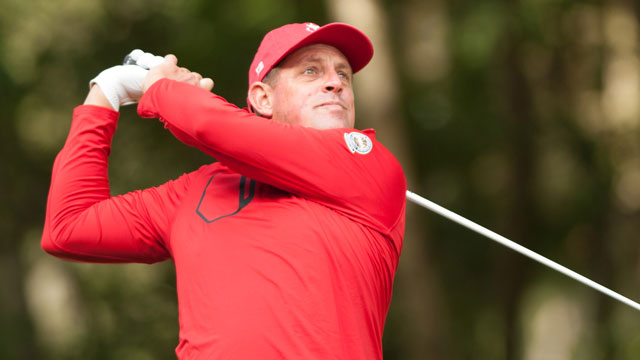
Rod Perry is one of Florida’s most accomplished PGA Professionals—and a go-to coach for serious junior golfers. In this profile, he shares honest advice on fundamentals, short game, confidence, and how to “practice competing” to score better in tournaments.
Rod Perry is one of the most accomplished PGA Professionals coaching in Florida today—and he’s someone competitive juniors (and their parents) should know. From high-level tournament preparation to scoring, short game, and rock-solid fundamentals, Rod’s coaching is built around one idea: you don’t “hope” your way into better golf—you earn it through the right work.
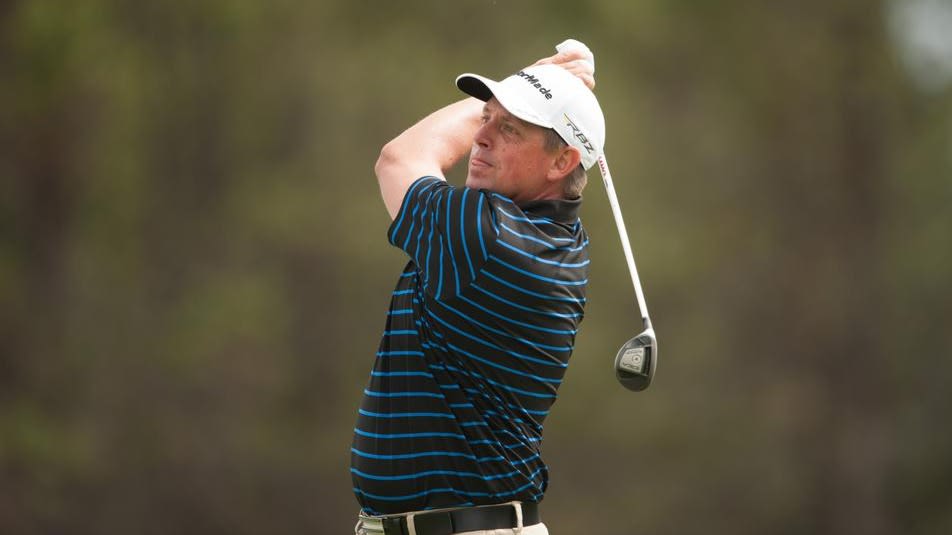
Rod’s own story starts the way a lot of great golf stories do: a kid growing up on a municipal course, doing jobs to earn range balls and playing opportunities, learning accountability from the adults around him, and realizing that the golf course can be one of the best places in the world for a young person to grow up. Today, he brings that same mindset to coaching juniors who are already competing—high school golfers, serious tournament players, and even college-level players who want to take the next step.
If your junior golfer is ready to level up, this profile is worth bookmarking. These are Rod’s honest, practical answers—on fundamentals, confidence, tournament mistakes, practice structure, and what parents can do to support growth without adding pressure.
Editor’s note: Our family has worked with Rod for more than nine years. We’ve seen firsthand how seriously he takes preparation, how well he connects with competitive juniors, and how much he values integrity on and off the course.
How did your own junior golf journey shape the golfer and coach you are today?
I was extremely fortunate to grow up in New Smyrna Beach, FL and have access to the municipal golf course as a junior golfer. As kids we volunteered to pick the range, clean carts, and do little projects when needed in exchange for reduced golf fees and range balls. It 100% wasn’t free—we had to earn it. There is no better place for a kid to grow up than on a golf course. I always had older adults looking after me and holding me accountable. Looking back, as a kid I needed that. I knew someone was always watching. Now as a PGA Golf Professional I feel that it’s my turn to make sure that junior golfers have the same opportunities I did. It’s my duty to ensure that junior golfers have reasonable access to the golf course, practice facilities, instruction, and equipment.
What do you believe makes Florida such a special place for junior golf development?
Thankfully the cost of living is still quite affordable and therefore land is available. We have over 1,200 courses which is the most of any state. A great climate that allows juniors to play year round is a big draw as well.
You’ve had tremendous competitive success—how can junior golfers learn from your approach to preparation and consistency?
Success wasn’t always the case. I paid my dues and finished in the back of the pack my fair share of times. However through those trials and tribulations I learned. It took years and I’m still learning everyday how to get better. A lot of players think you just show up to the event or golf course and either play good that day or not. The truth is, it’s about getting after it every day. Elevate your practice sessions to replicate tournament play if your goal is to compete.
What are the most important swing fundamentals junior golfers should focus on early in their development?
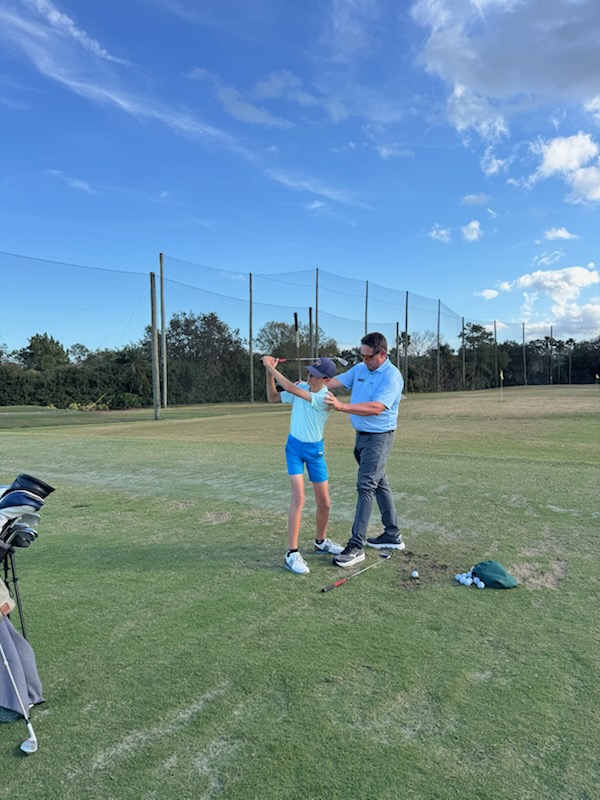
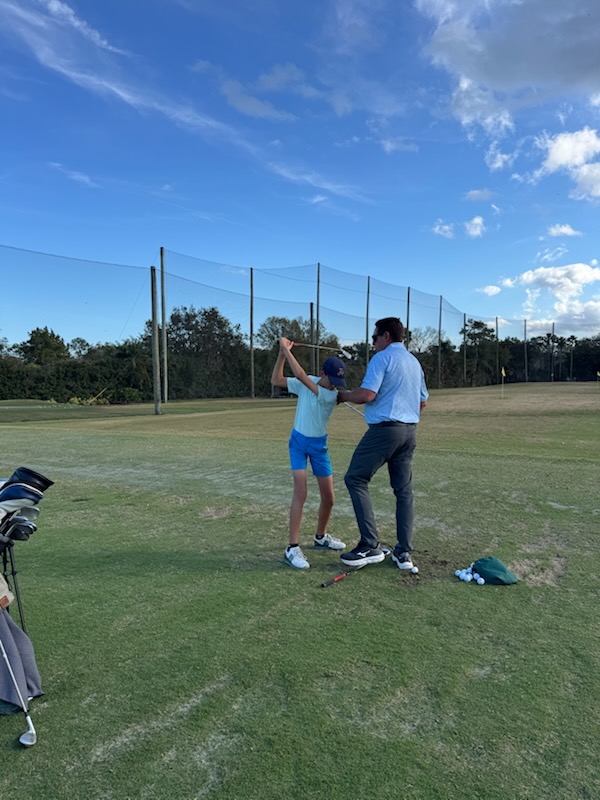
Grip, stance, alignment, posture, and ball position are the 5 fundamentals for every golfer regardless of age. Master those first. Then learn what a great impact position feels like. Get that picture in your head and don’t forget it. Impact is what it’s all about.
From your decades of coaching, what separates juniors who make steady improvement from those who struggle?
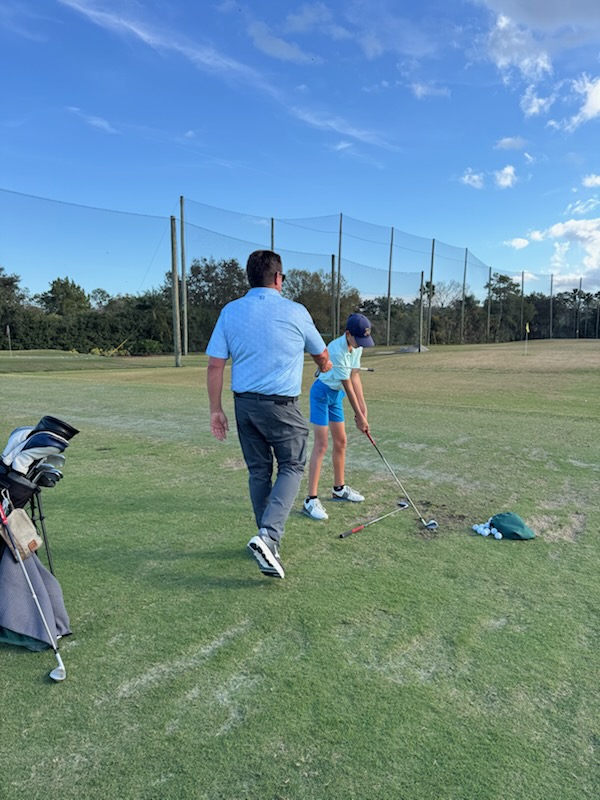
Athleticism helps. The better the athlete the higher the player’s ceiling will be. Juniors need to become athletes first and golfers second. That means every day: run, jump, kick, and throw. The next thing is confidence. The mental aspect of this game is often overlooked. If you don’t think you’re great or going to be great someday then you’re right.
If you don’t think you’re great or going to be great someday then you’re right.
Rod Perry
What common mistakes do you see junior golfers make during tournaments, and how can they avoid them?
Juniors pay way too much attention to what other players are doing. Arnold Palmer used to say “Swing your swing”. Junior golfers need to learn their golf swings and golf game and not make comparisons to other players. Do you notice how many different types of golf swings there are on the PGA Tour? Juniors need to own their golf swings and not copy another player’s swing. Another big thing: watching leaderboards. Leaderboards are for parents and spectators not players. Juniors should focus on making birdies and pars and that’s it. Head down and GO!
Leaderboards are for parents and spectators not players. Juniors should focus on making birdies and pars and that’s it. Head down and GO!
Rod Perry
How should parents best support their junior golfers without adding pressure?
Parents need to be their kids’ biggest fan not their biggest critic. I’m not saying you should “sugar coat” the truth, but being a kid is tough these days. Being a competitive junior golfer is even tougher. My parents always told me my day was coming. If I was willing to work hard I was eventually going to win.
What practice structure or routines do you recommend for juniors who want to elevate their game?
A great coach of mine once told me there aren’t enough hours in the day to practice/play enough. This game takes work, attention to every detail, and a winning attitude. I like to see kids play for something. Don’t just practice golf but practice competing.
Don’t just practice golf but practice competing.
Rod Perry
Florida offers so many junior tours—AJGA, HJGT, FJT, U.S. Kids, and others. What advice do you give families about choosing the right events?
Learn to win at every level. Start with your local events and once your player shows some level of success move up.
How does playing in competitive junior tournaments help kids grow beyond just golf skills?
Absolutely! Golf is a lonely game. It’s just you. You can’t hide in this sport like you can in some team sports. You learn to be self reliant in a number of ways which will pay dividends beyond golf.
Looking back at your own competitive achievements, which lessons do you feel are most valuable for young players today?
Honesty and integrity are the two that come to mind. In this sport we all adhere to the ethics and rules of the game. We don’t have judges and umpires in golf. We do have rules officials who serve in the capacity of helping understand the rules and applying them when needed. Once again self reliance is critical for success. When you fail, you have only one person to blame.
Once again self reliance is critical for success. When you fail, you have only one person to blame.
Rod Perry, PGA
What role does mental preparation play for junior golfers, and how can they begin developing that skill?
This is where parents can make a big difference. Help your kids to think of themselves as an eventual winner regardless of the tournament outcome.
Many juniors struggle with confidence. What do you teach to help young players build belief in their game?
Kids compare themselves to others way too much. They want to fit in and not necessarily stand out. There is a lot of room for individuality in this sport. I always found that interesting. We spend the rest of our adult life trying to stand out from the crowd.
How can juniors balance school, practice, and competition in a healthy and sustainable way?
School should always come first. Then play hard and practice even harder. Then give yourself some time away from the game. It’s often amazing what a little rest and time away from the game can do.
Technology in golf is changing quickly. Which tools or analytics do you consider most useful for juniors?
Feedback is key. That’s the fundamental reason junior golfers are developing faster than ever before. What used to take hours hitting balls on the range to figure things out can be solved quickly through technology, advanced training aids, and better coaching.
What do you enjoy most about coaching? Are there particular success stories from your junior students that stand out?
I love watching my students achieve their goals. Those can be very different things. For beginners it might be losing fewer golf balls or breaking 100. For others it might be winning their first tournament.
What traits do college coaches look for in junior golfers, especially those coming out of Florida’s strong competitive environment?
Obviously skill is number one. Coaches want quality players with proven track records. Being a great teammate is really big. Coaches want kids with great winning attitudes, fantastic work ethics, and no issues off the course. That means grades have to be a non-issue.
How should juniors handle setbacks—like a bad tournament or a scoring slump?
Parents play a big role here. Setbacks are inevitable in this game. Build your kids up in every way. This world, this game, and peer pressure are constantly pulling them in the other direction. Have them study Michael Jordan. He didn’t make his varsity basketball team his sophomore year of high school. He wasn’t even recruited all that heavily for college basketball. He just worked every day and got better. He’s arguably the greatest basketball player of all time. Current status is not a guarantee of future success.
What is one piece of advice you wish every junior golfer in Florida could hear right now?
Focus on making birdies (pars are okay sometimes too) and that’s it. Everything else will take care of itself.
Focus on making birdies (pars are okay sometimes too) and that’s it. Everything else will take care of itself.
Rod Perry
How do you see the future of junior golf in Florida evolving, and what excites you most about being part of it?
Golf is continuing to grow. We are seeing some of the best athletes choose golf instead of other traditional sports like football, basketball and baseball. As this happens records will continue to be broken.
How to Work With Rod
- Directory listing: https://juniorgolfinflorida.com/golf-coaches/rod-perry/
- Email: [email protected]
- Crane Lakes page: https://www.cranelakesgolf.com/rod-perry
Sources
- PGA TOUR player profile: https://www.pgatour.com/player/25863/rod-perry
- ESPN player profile: https://www.espn.com/golf/player/_/id/667/rod-perry
- Crane Lakes Golf & Country Club: https://www.cranelakesgolf.com/rod-perry